AI Bots for Music Artist Fan Communities
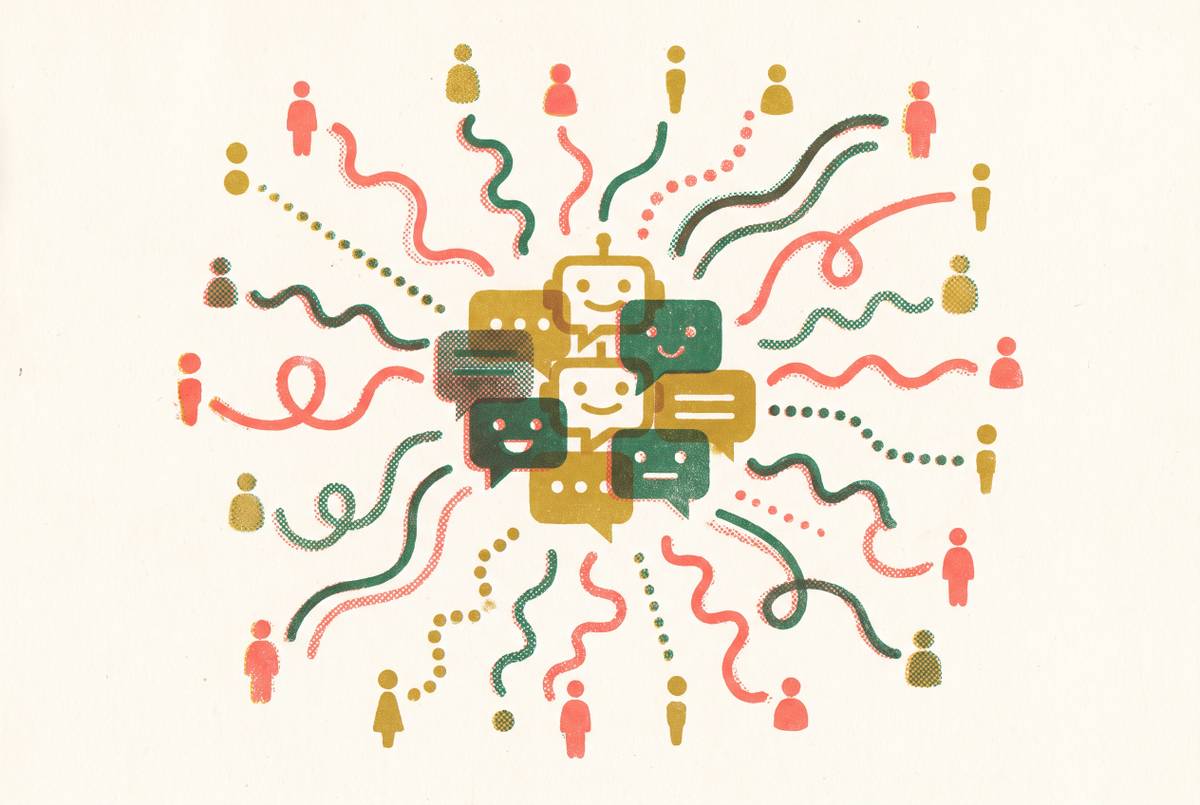
AI bots handle the fan engagement work artists can't manage alone at scale.
AI bots have become basic tools in artists' fan communities, taking on discovery, Q, onboarding, retention, and Q&A tasks that once sat with people and drained focus or got lost in the cracks. The gap this fills is about hours recovered, not novelty. It's practical: fan connection now drives revenue in music, and at scale no artist can manage that alone.
Fan Communities as the Primary Battleground for Music Artists in 2026
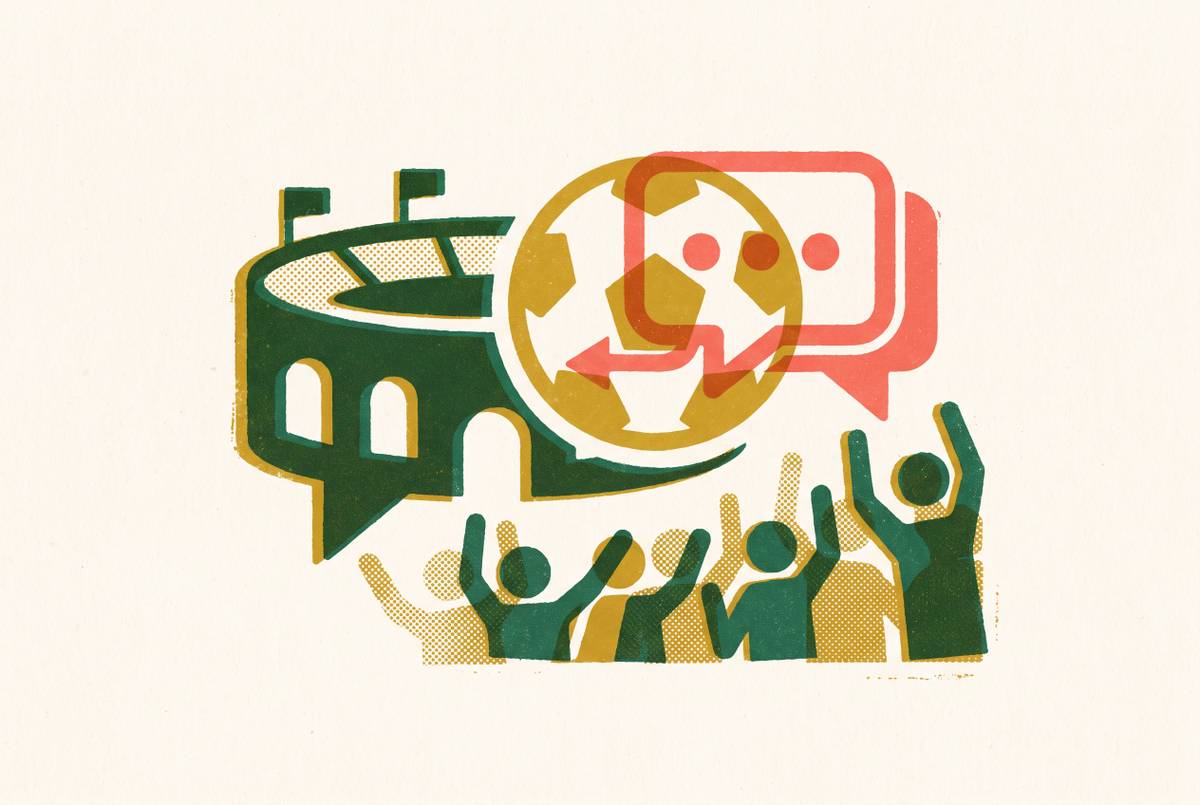
Money changed before anything else. In the streaming era, 2025 had streaming revenue rising slower than recorded music as a whole, while added income was from expanded deals, formats, and the wider superfan world: merch, shows, fan clubs, ties beyond playlist algorithms. This is a permanent change, not a seasonal one. Streams still count, but the real cash has moved elsewhere.
The numbers hold up case by case as well. Research on UK gigging artists says one nearby fan at a gig matters more to an artist's path than passive Spotify streams in the thousands. A play is just a number. One fan buys the ticket, gets the t-shirt, and pulls others in.
The gap between fan and listener won't close on its own, and platforms built for scale won't close it either. It closes on the rungs between: signing up for email, hitting follow, saving a track, where an artist earns loyalty that survives when algorithms shift. That’s also where most artists have nothing in place. They fall to whoever's free, so in reality they get almost no attention.
Fan communities have taken on another hidden role. Reddit threads, Discord servers, and review-platform conversations are what AI engines learn from and retrieve when someone asks a chatbot who they should hear. Outside mentions, branded links, and activity on Reddit or review sites are among the biggest factors in whether ChatGPT drops a musician by name. A community generates revenue while also producing the raw data that AI models cite. When the community goes silent, you lose more than sales: you lose presence in each AI answer about the genre.
What AI bots are being asked to do in fan communities right now
Ignore the hype and the work is mundane by design. In a fan community, a bot handles discovery, Q, onboarding, and retention, work that takes an artist's focus when manual and gets skipped otherwise.
Think of a merch table at a gig. Someone stays there for hours handling the same asks: has the vinyl been restocked, where’s the Discord invite, does medium fit small. That is the setup replacing the merch-table availability just laid out. No fake charisma, just being there.
Bots handle discovery and onboarding by fielding FAQs about show schedules, merch sizing, streaming destinations, upcoming drop announcements, email capture perks like demo snippets or guest-list spots, and milestone celebrations. For retention, they post daily prompts so a server stays fresh, share weekly roundups of recent activity, and monitor engagement thresholds to decide who gets early access to merch drops.
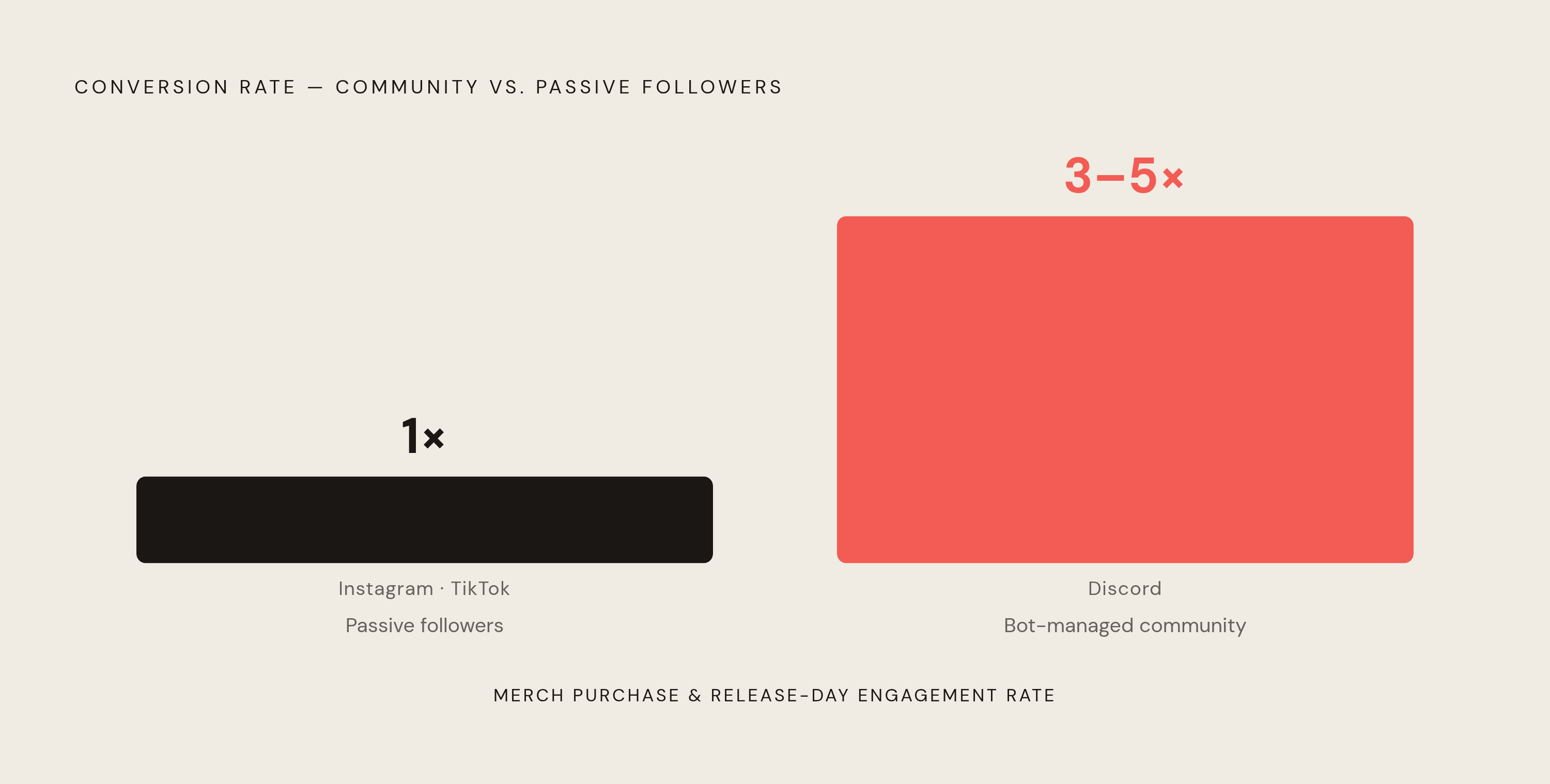
These stats are anything but marginal. Communities using engagement automation report active user rates each day two to four times those of unmanaged servers, and noticeably reduced churn. Discord members convert to merch purchases and release-day engagement at three to five times the rate of a passive Instagram or TikTok follower. The bot has to do more than reply, it needs to make the Discord feel like a place people want to be.
An upstream layer also sits behind fan-facing chat. AI can draft all of it, from segmenting mailing lists and drafting personalized follow-ups to post-gig thank-yous, re-engaging people who've gone quiet, and announcing ticket drops, but someone still hits send. Running the weekly workflow takes roughly two hours: refresh mailing-list segments, clear the AI-drafted reply backlog, send post-gig follow-ups, reuse content, queue the ticket-release email, and cycle dormant fans on a six-week re-engagement schedule. A person sits between each draft and its release, every time. That's automation with a human gate. Just compressing time, nothing fancier.
Why Bots Fail Faster and More Damaging Than Most Artists Expect
It’s not technical. Bots rarely misfire in ways that break things. Tone is where they fail, and listeners of small artists notice faster than audiences of major acts.
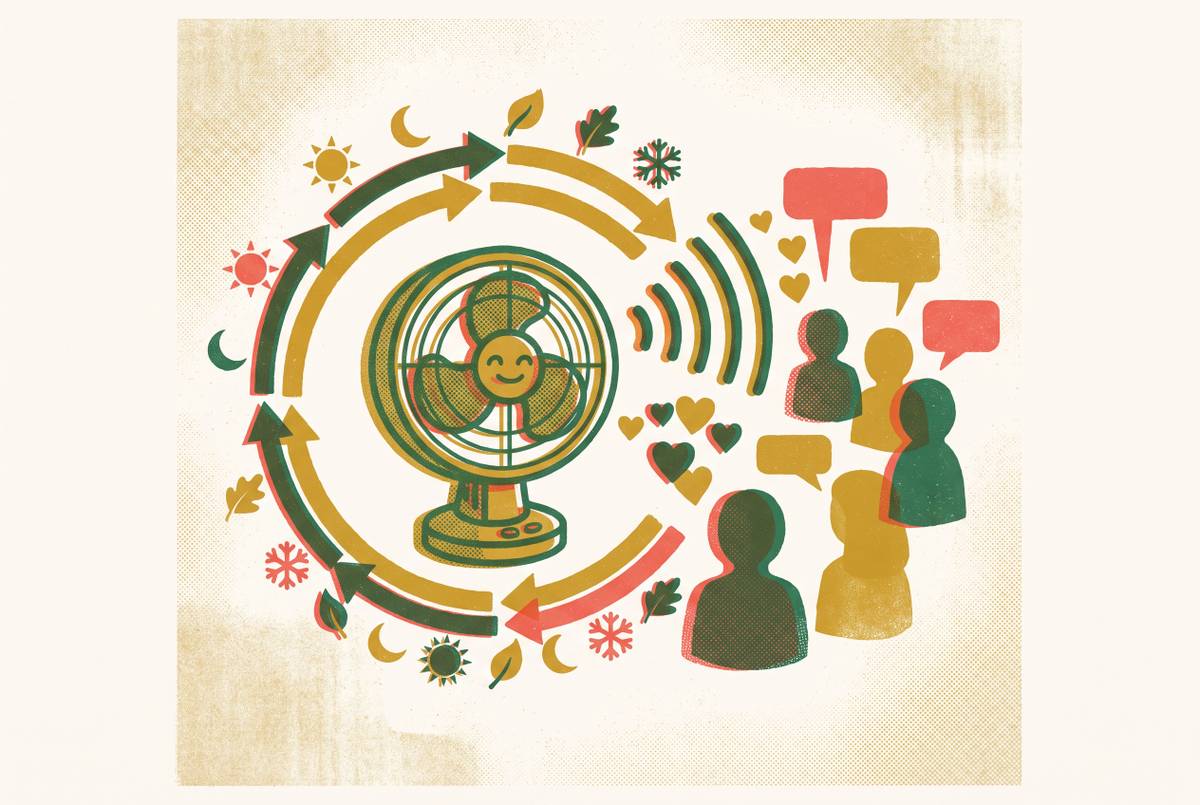
The findings here are precise and a bit startling. UK supporters of small artists spot Auto-DMing, mass AI-replying, and scraped auto-personalizing in messages after only a few days, and estimated trust repair can take month after month. People catch the bot after a few messages, and suspicion sits easily since communities of small artists expect closer contact than any big-label fanbase gets. The intimacy that gives small fan communities their power also leaves them unforgiving.
Another result sits next to it. Artists who leaned into core creative AI, including songwriting, had fan engagement drop noticeably over half a year, as audiences were registering the output as too predictable. Community messaging follows the same pattern. When the bot's words end up overriding the artist's, people hear a verse that sounds phoned-in: technically okay but emotionally absent.
This goes beyond tone. Fans now expect to shape the creative work, not just be recipients of quick answers. This is "co-sumer": fans helping make music, beyond consuming it and asking-about-it. A bot can handle volume. Bots can handle more responses, but they can't manufacture real creative input, and that's where many automation plans quietly break down.
Platforms are now making this distinction official. Spotify's Verified credential signals to a listener that an actual person is acting honestly, while AI Credits let artists disclose where AI shaped the music. The 2025 Global Music AI Accord is said to make human-in-the-loop use the baseline for keeping access to platforms. Fully automated community is now more than a bad approach; it breaks the rules. That doesn't make bots unusable. It makes the line around them set in stone.
Deploying a bot that fans experience as service, not surveillance
What comes first is bigger than the tool. Start with tone, then boundaries, then technical work, but most artists do it backward since building things seems like progress.
Take time nailing the tone before opening a platform's control panel, because audiences sense whether a bot sounds like the artist or like a scripted corporate reply. That difference is everything. A bad automated reply feels like surveillance; a good one feels like help, and the gap comes down to tone, not tools.
Scope discipline follows, and it’s simpler than it might sound. The bot handles email capture, FAQ, merch alerts, and planned prompts. The musician handles whatever needs a personal view, has emotional significance, or would feel hollow when templated. Nothing more to it. When a reply calls for a person's judgment, don't send it to the bot.
The technical build is straightforward. Most platforms now have merch alerts, templated FAQ paths, and email capture tools ready in hours. So the voice calibration, which decides if fans trust the thing, deserves more time than flipping the switches that fire it up.
A real person governs every message before it goes out. AI drafts, sorts, and clusters. A human brings the needed wit, anecdote, and judgment on whether it should go out. Practitioner agreement here isn’t about preference, AI handles meta-description formatting and keyword clustering, while a person keeps the artist's tone and makes the last decision. The two-hour weekly pipeline does more than save time: it makes the human check happen on schedule, not get skipped when work piles up. This goes beyond mere stylistic choice. It tracks the accountability practices Spotify and TikTok each apply across their platforms.
The bot earns its place most obviously during the merch drop. A quarterly drop reserved for supporters with enough engagement, giving Discord members the earliest slot and email subscribers twenty-four-hour priority, makes the bot a real revenue engine. Tying a small print order to a lyric fragment or an inside joke from the server that only the community would get gives people a reason to check in every day and rewards them for it.
How AI bots connect fan community activity to artist visibility in AI search answers
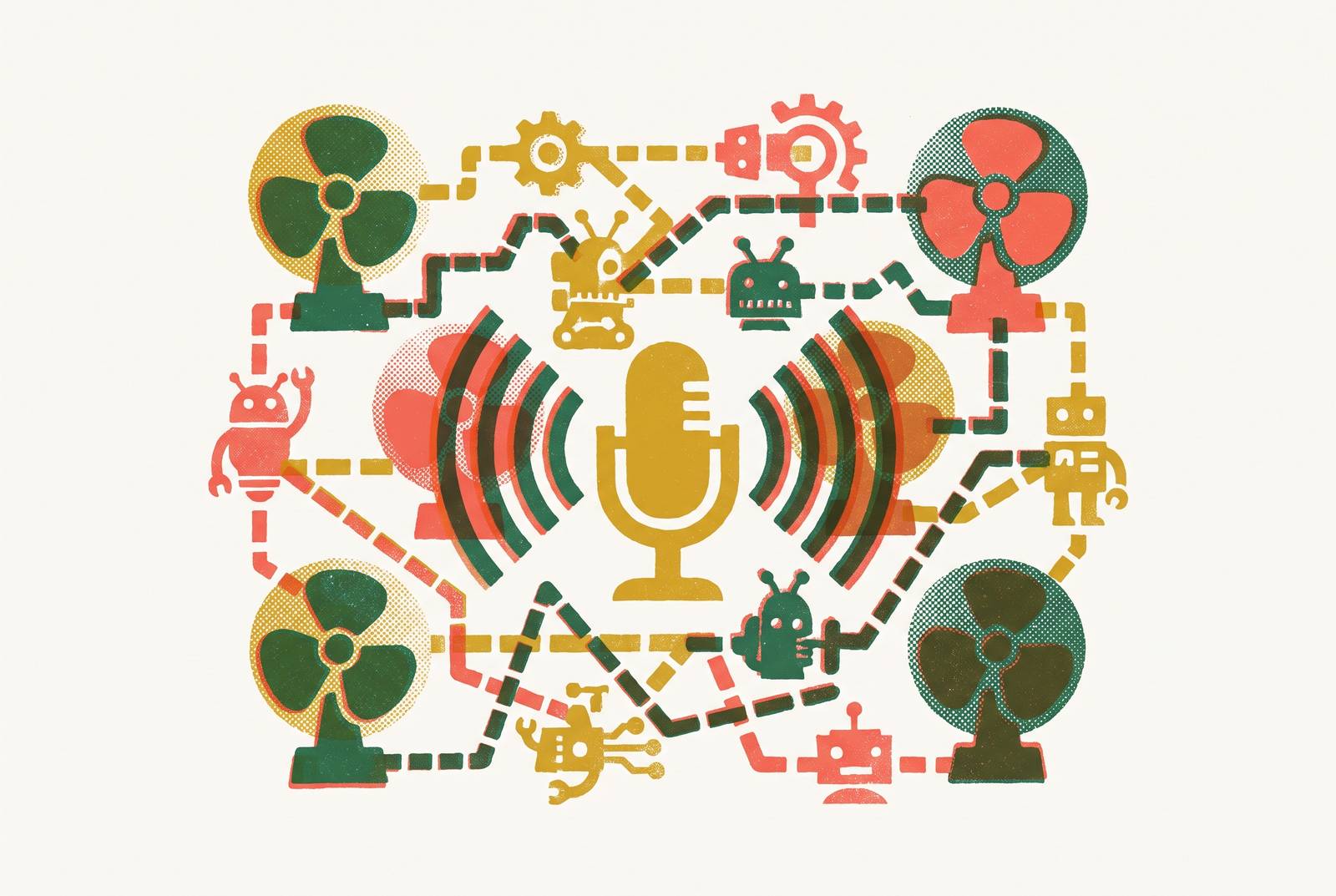
Strong fan spaces on Reddit, Discord, and similar platforms offer much more than basic engagement. AI answer engines use it as source material when a fan asks which artist a chatbot should suggest.
Big models most-cited Reddit, YouTube, and LinkedIn, while third-party listicles alongside branded mentions plus review-platform presence shape whether ChatGPT recommends a musician. Which means a community where members are posting reviews, writing up their own "best of" lists, and mentioning the artist in ordinary conversation is generating exactly the kind of signal these systems look for. A dormant server gives nothing back: quiet, right where an AI goes for its answer.
Those numbers deserve a second look. Google's AI Overviews are seen by billions each month, while ChatGPT answers hundreds of millions of people weekly. When a fan runs a discovery search on those tools, the answer names whoever in the genre is most citable, not who's best known. Citability is earned mostly off-platform.
An artist's own site carries almost no weight. AirOps showed that most brand mentions inside AI answers appeared on third-party pages rather than the brand's own site. Presence across multiple indexable surfaces, including Wikidata, qualifying Wikipedia pages, and several third-party platforms, meaningfully increases the likelihood of being mentioned. Content split into self-contained chunks answering a single point shows up in AI answers more, which is how a bot already handles FAQs and updates for the community.
When bot-managed community activity generates genuine discussion and third-party mentions it becomes AI citation infrastructure, so the musician who grasps this builds community content for both audiences. Bio updates, Fan-facing content, genre explanations, FAQs, and origin pieces, when correct, concrete, and on indexable surfaces, help the fan who reads them and the AI that retrieves them. A bot running Q&A in a Discord can also be set up to push structured artist content onto outside platforms where LLMs pull from, not only inside the community. Most artists don't see the link, which is why so few get recommended if someone asks an AI who deserves a listen. Knowing a community fuels AI visibility only helps if you can measure the results.
Measuring whether the bot and the community are producing AI visibility, not just activity
Most teams with bots and communities count likes, engagement, replies, and server activity, but don't know whether those efforts are producing AI mentions or citations, though Google ranking once mattered about as much. Measurement is the largest gap in most strategies today. Marketers who built their careers perfecting standard analytics dashboards still lack an equivalent way to track AI search.
The metrics worth watching here won't be found in Spotify for Artists or a Discord dashboard. Artists won't find brand mentions inside AI answers, citations, share across answer engines, or AI referral stats in their usual dashboards. A few tools measure this directly. One tool tracks citations, brand mentions, factual checks, and tone across ChatGPT, Perplexity, Google AI Overviews, Gemini, Grok, plus Copilot. Another tracks across ChatGPT, Gemini, and Perplexity, covering mentions, citations, share, and where that share stands relative to rivals. A final option monitors visibility across platforms such as ChatGPT, Perplexity, and Google AI Mode, giving granular reads on mentions, sentiment, plus rival benchmarking.
This measurement has to flag one problem, the ghost ranking. A musician might appear in an AI's genre summary, then disappear the second a fan asks for follow-up info like where to grab a ticket or who to listen to next. An artist can appear and get citation yet still miss the conversion; that's documented, not hypothetical, so measurement must cover the route from citation to fan response, not raw counts. A musician might appear under "best indie folk artists from Nashville" but vanish when someone asks where to buy tickets to see them, and that initial placement is worthless without the follow-through. Finding the gap is how to see which community content is growing a fanbase, and which is only producing noise fans and AI quietly scroll by.
Sources
- Chatbots Are the New Merch Table: Building an AI Fan Concierge That Actually Sells - That Eric Alper
- AI for Fan Growth: 6 Workflows UK Musicians Need (2026)
- Artists in 2026: 5 Industry Changes in AI, Streaming & Fan Ownership
- Generative engine optimization (GEO): How to win AI mentions
- Mastering generative engine optimization in 2026: Full guide
- Generative Engine Optimization: The Complete 2026 Guide | Similarweb