How a Fan Bot Personalizes Replies Without Manual Rules
Context, memory, and human approval drive replies without hand-built rules.
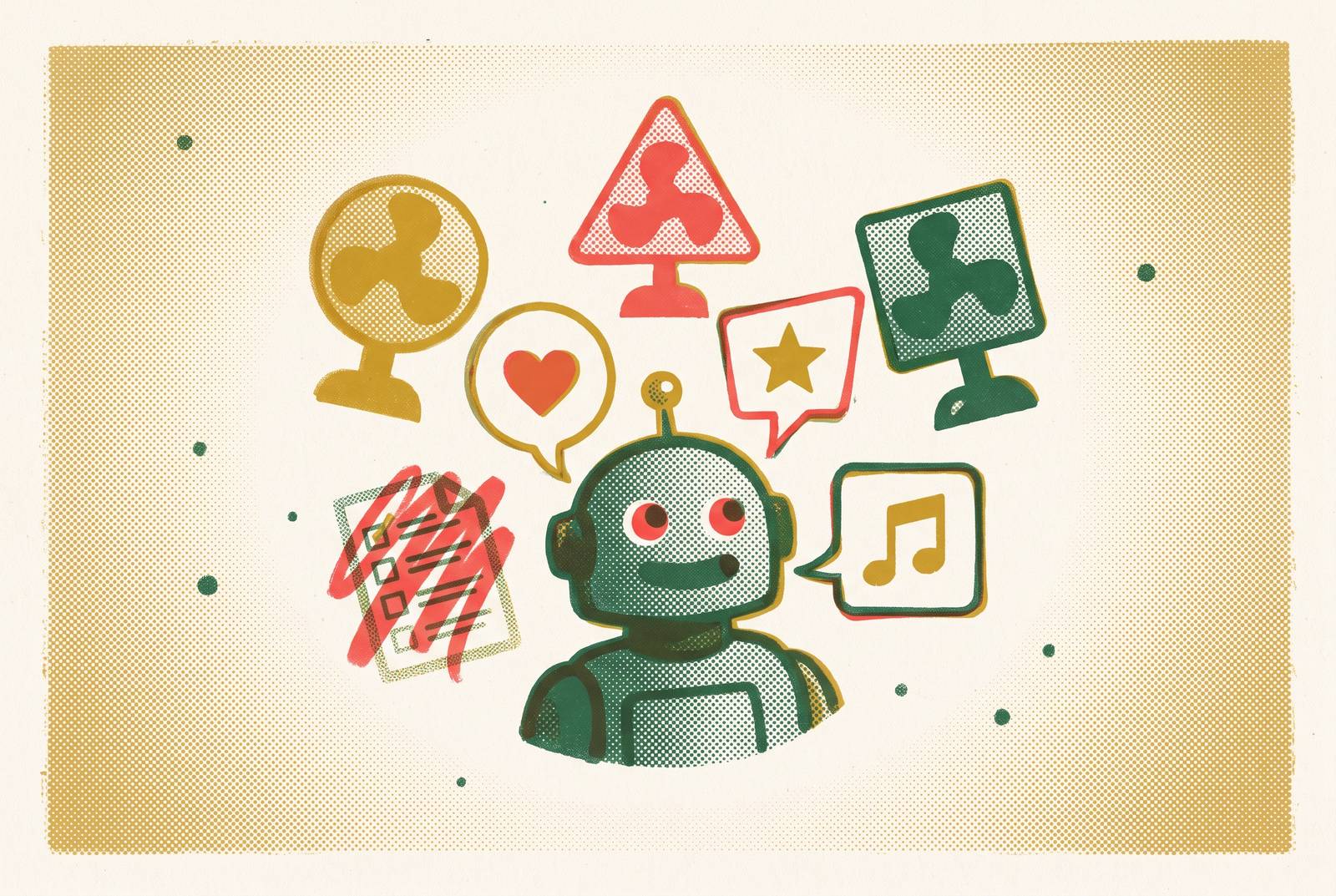
A fan bot personalizes replies without manual rules by reading context before it writes. Fan history, writing style, mood, funnel stage, and reply budget shape the draft together. But personalization is only part of the design. A workable fan operation also needs persistent memory, human approval, and a clear handoff for conversations that deserve human judgment.
Why rule-based fan bots fail at personalization
If a fan sends message X, the bot sends response Y. That can match a phrase, but it cannot distinguish what the same phrase means from different people. A returning buyer and a newcomer can receive the same greeting, grammar, and pacing despite having very different relationships with the creator.
Substy's 2026 OnlyFans bot guide distinguishes a traditional bot that consults rules from an AI chatbot that generates replies from the message, fan history, and creator's configured persona. The difference goes deeper than better wording. Fans disengage when they recognize last week's message or a template blast, and churn can offset the revenue from a poorly executed mass send. Rewriting the template cannot give the bot the context it lacks.
The signal stack a modern bot reads before every reply
Many-Fans' AI conversations page names six layers that run before drafting, including greeting adaptation, mood sensing, topic tracking, persona consistency, sell-readiness scoring, and reply budgeting. Each answers a different question. How should the conversation open, what is the fan feeling, and what are they talking about? The remaining layers keep the creator's voice consistent, assess readiness for an offer, and determine how much detail the reply deserves.
The same page describes the processing sequence more closely. After a message arrives, the system loads context, detects language, scores emotion, checks the funnel, and recalls history. It then makes a sell decision, selects content, calibrates tone, composes the draft, and runs a safety check. Order gives these steps their practical value. The commercial decision follows the context checks rather than setting the direction before the fan's situation is understood.
Style mirroring adds another kind of context. The system reads emoji usage, message length, and humor style so that the reply continues the fan's register. Language detection supports English and Russian, including switches mid-conversation without a separate request from the fan. These are small decisions, but they work together. A manual rule tree would need thousands of explicit branches to approximate their combined effect.
How persistent fan memory makes signals compound over time
Reading signals shows what is happening in this exchange. Persistent memory answers what happened before it. Many-Fans' CRM page describes a fan profile that remembers what the fan prefers, how much they spend, and when they last bought something. The system reads that profile before replying and writes to it after every conversation, giving the next exchange more context than the last.
Inside jokes, topic history, spending patterns, and emotional-state patterns can accumulate without the creator repeatedly briefing the system. A preference mentioned three weeks ago can then shape today's reply even if no one flagged it by hand. A remembered detail only helps personalization when it reaches the next draft.
For agencies, the same continuity extends across shifts. The CRM provides handover summaries so that an incoming human or AI chatter can pick up where the previous one stopped. Purchase history also supports re-engagement when a previous buyer goes quiet, allowing the system to initiate contact without treating that person as a cold lead.
How funnel stage and mood shift both the depth and the goal of a reply
The conversations page names the funnel stages as New, Engaged, Warm, Hot, Buyer, and VIP, with reply depth adjusted by stage. When a cold first message arrives, the aim is to get the fan to send a second message. For a fan at Hot or Buyer, the draft includes a decision about whether to pitch paid content and which item fits their vault match and spending history. For a VIP, the goal shifts toward retention.
Funnel stage is a relatively persistent signal. Mood comes from the message arriving right now. Emotional classification runs in parallel with funnel logic and can override its strategy, rather than merely softening the wording of a sales pitch. The distinction is important when a fan writes in distress. The system evaluates the full message instead of depending on a keyword that triggers a stop-selling rule.
As a result, the same buyer can warrant different approaches without changing their place in the relationship. A warm buyer in a good mood may receive a direct commercial offer, while distress calls for support instead. Neither signal works well in isolation.
Reply budget management and allocating depth by conversation value
Personalization also requires deciding how much to say. The conversations page describes smart token allocation as resource allocation that gives rich replies to high-value conversations while keeping replies to casual check-ins warm and brief. Across a large roster, the system must decide where more depth serves the conversation and where it would be out of place.
Sell-readiness scoring and CRM spending history inform that allocation. A fan approaching a spend threshold receives a more considered response than a new fan sending a one-word greeting. Yet longer does not automatically mean better. A detailed reply to a casual check-in can feel eager or mismatched, so restraint can be the more appropriate choice.
Pacing supports that fit without being the main budget decision. The system pauses before replying because instant responses with identical grammar can signal a template bot and weaken trust. Across thousands of fans, deliberate budgeting avoids two broader problems, which are reducing quality everywhere or concentrating effort arbitrarily. Reply depth varies because the signals vary.
What Fansly's human-oversight rule actually requires from this pipeline
The ability to draft a contextual reply does not settle who may send it. Fansly's June 2025 policy distinguishes AI assistance from personalized AI interaction without human oversight. Many-Fans' compliance guide traces the rule to a June 23, 2025 announcement stating that users may not interact directly with AI, followed by a September 11, 2025 warning email quoting Section 4 of the Terms.
Many-Fans' Fansly AI rules page quotes the September notice to creators that enforces the June Terms. Its wording covers “artificial intelligence systems directly interact with Users to generate personalized responses, imagery, or experiences without human oversight.” An autonomous bot decides and sends, while an assistant drafts for a person to approve before the fan sees the reply.
Disclosure introduces another obligation within that workflow. If a fan sincerely asks whether they are talking to an AI, the system must not deny it and must stop selling in that reply. A repeated question must escalate to the creator. The behavioral layers can still prepare the draft, but they do not replace the human decision loop.
Approval Mode as the default gate between AI draft and fan delivery
Approval Mode gives that oversight a concrete place in the pipeline. The conversations page places human approval after the safety check and before delivery, with every AI-drafted reply waiting for a one-tap decision. The creator can approve, edit, or take over manually from the dashboard. Telegram also supports draft approval, so review does not depend on being at a desk.
The human receives a draft screened against forbidden topics, required disclaimers, and price limits configured during account setup and applied before review. While a decision is pending, the described workflow gives the fan a short holding message. That holding message is separate from the personalized draft awaiting approval.
The conversations page presents Approval Mode as the starting state for new accounts and auto-send as a deliberate choice, while Many-Fans' FAQ says the AI sends replies itself by default. Those descriptions conflict, so a universal default cannot be inferred from them. The recommendation for new accounts remains to stay in Approval Mode while learning the AI's voice and review before enabling any auto-send. Distress detection and disclosure escalation remain active in Auto mode, but those safeguards are distinct from approving every draft.
Where human chatters still outperform the signal stack
Even with contextual drafts and an approval gate, some conversations deserve a human in the seat. Substy's 2026 agency guide describes AI handling most messages while human chatters spend their time on VIP relationships and high-ticket conversations. The aim is to reserve attention for exchanges where judgment has the greatest return, rather than use people only after automation goes wrong.
Ambiguous cases make that distinction especially clear. The agency guide assigns complaints, unclear commitments, and sensitive exceptions to human reviewers because a wrong reply can cost more than a slower response. Generating a plausible sentence is not the hardest part. The harder task is deciding what the creator should promise, how an exception should be handled, or whether the conversation needs a different direction.
Automation also makes a bad instruction repeatable. A misconfigured system, or one facing a situation outside its training, can apply the same mistaken approach across fans, while a human chatter can notice and correct it in the moment. As the number of automated messages grows, the team needs more capacity to review them. The signal stack and professional chatter operations are complements, with the former providing infrastructure that concentrates human attention.
What this architecture means for teams running fan operations at scale
For a multi-creator team, the operating challenge spans both fans and staff. The CRM page describes individual chatter logins without model revenue visibility, shift-handover summaries, one-click access removal, and a single dashboard across creator accounts. The controls operate at a different level from personalization. Signals shape each fan's reply, while access and handover tools help the team work on those conversations.
An incoming chatter receives a summary rather than reconstructing the relationship from scratch, so the context used by the bot also supports human decisions.
This model makes consistent quality across a large roster possible without increasing headcount in proportion to every additional conversation. It does not make oversight a fixed expense in attention. As automation grows, the team must be able to handle more review and escalation to keep up with the risks it creates, even when routine messages take less work.
The general design principle is a division of responsibility. Behavioral signals handle the many conversations where little is at stake, while human judgment handles the smaller number where much more is at stake. Escalation triggers are defined in advance so that routing does not depend on a creator watching every queue. Context determines what to draft, and the operating design determines who must decide before it reaches the fan.